Anise(ed) |
||||||
| Anise oil is extracted from the fruit of Pimpinella anisum whilst Aniseed oil is extracted from the seed. | ||||||
|
||||||
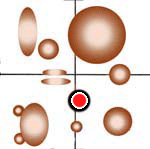
| [Fig.1] Chromatograph | Keyword: | Calming | ||||
Mouse over targets for components |
Botanical Name: | Pimpinella anisum | ||||
| Extraction: | Steam Distilled | |||||
| Colour: | Clear | |||||
| Consistency: | Thin | |||||
| Perfumery Note: | Top | |||||
| Strength of Initial Aroma: | Medium - Strong | |||||
| Aromatic Description: | Distinctive scent of licorice. Rich and sweet. | |||||
| Associated Chakra: | ||||||
| Associated Crystals: | Pink Tourmaline [2] | |||||
| Associated Planet: | Mercury [4], Jupiter [6] | |||||
| Associated Element | Air [5] | |||||
| Magical uses: | Use in preparations for purification, blessing and, increasing energy [5] or for the exorcism of possessive spirits [3]. Anise can also help in the achievement of a deep medative state. | |||||
Blends well with (click buttons for essential oil profiles): |
||||||
| also Caraway, Coriander, Dill, Fennel and Rosewood. Good perfumery addition in subtle quantities in citrus blends or as an underpinning to vanilla blends | ||||||
| ||||||
|
||||||
| Main constituents: Sesquiterpene Hydrocarbons (anti-inflamatory and antiallergenic) |